Looking for bulk or wholesale activated carbon for water, air/VOC, or gold recovery? This guide gives you a clear, vendor-neutral path: understand GAC vs PAC, compare feedstocks and mesh sizes, plan packaging and logistics, and send a vendor-ready RFQ. End with Request a quote or Get free samples.
Wholesale or bulk means pallet loads, super sacks, or full truck quantities—not single bags.
Common forms
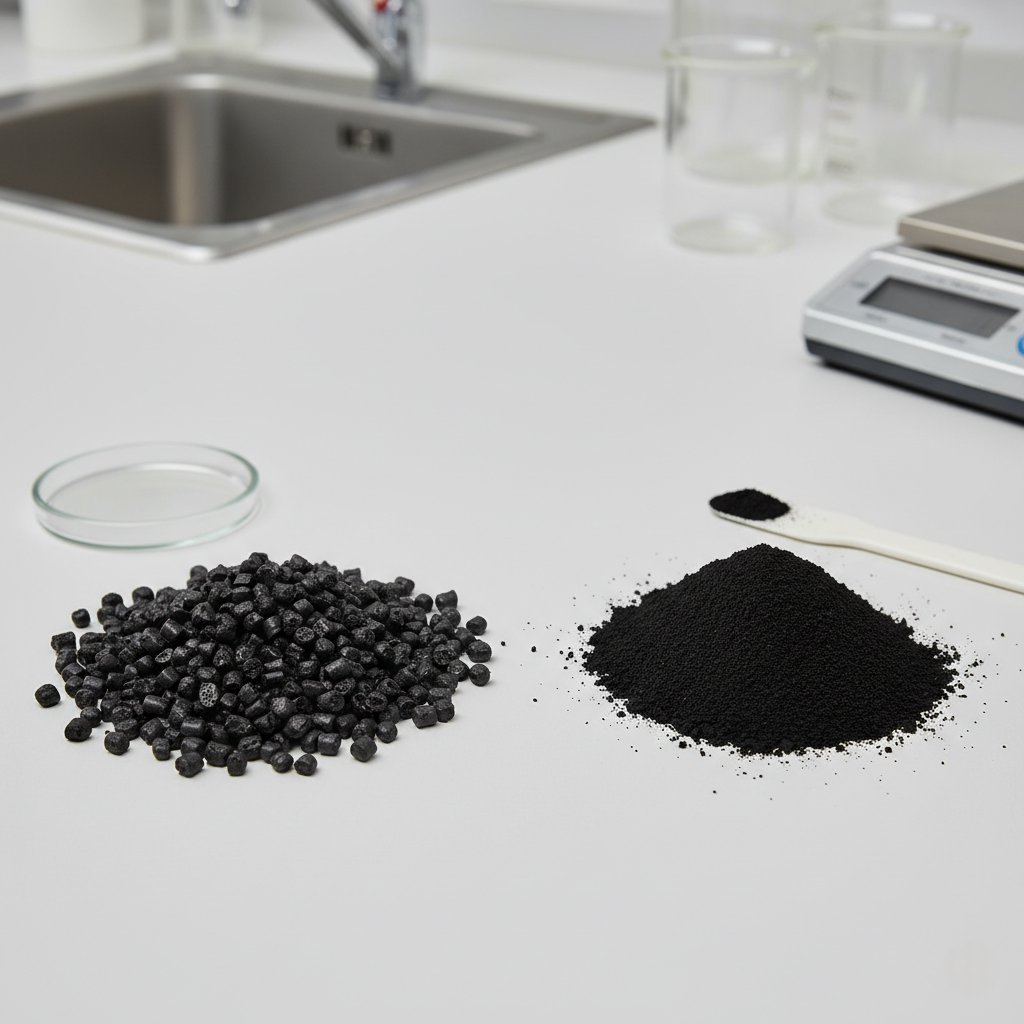
GAC (granular activated carbon): hard granules (e.g., 8×30, 12×40). Used in fixed beds and vessels.
PAC (powdered activated carbon): fine powder. Dosed into a liquid stream or slurry.
Quick take: If you run vessels or columns, start with GAC. If you dose into a process or treat seasonal upsets, consider PAC.
Start with process fit
Continuous treatment with vessels? Choose GAC.
Short-term dosing or seasonal events? Choose PAC.
Tight headloss limits? Pick mesh to balance pressure drop and adsorption rate.
Low dust / easy handling need? Use sealed bags or super sacks of GAC.
Rule of thumb: Finer mesh often increases surface contact but raises pressure drop. Coarser mesh improves flow but may adsorb slower.
These specs appear on a COA (Certificate of Analysis):
Iodine number: proxy for adsorption capacity.
Ash: mineral residue; lower ash can matter in sensitive uses.
Hardness / abrasion: resistance to breakage during loading/backwash.
Moisture: affects shipped weight and handling.
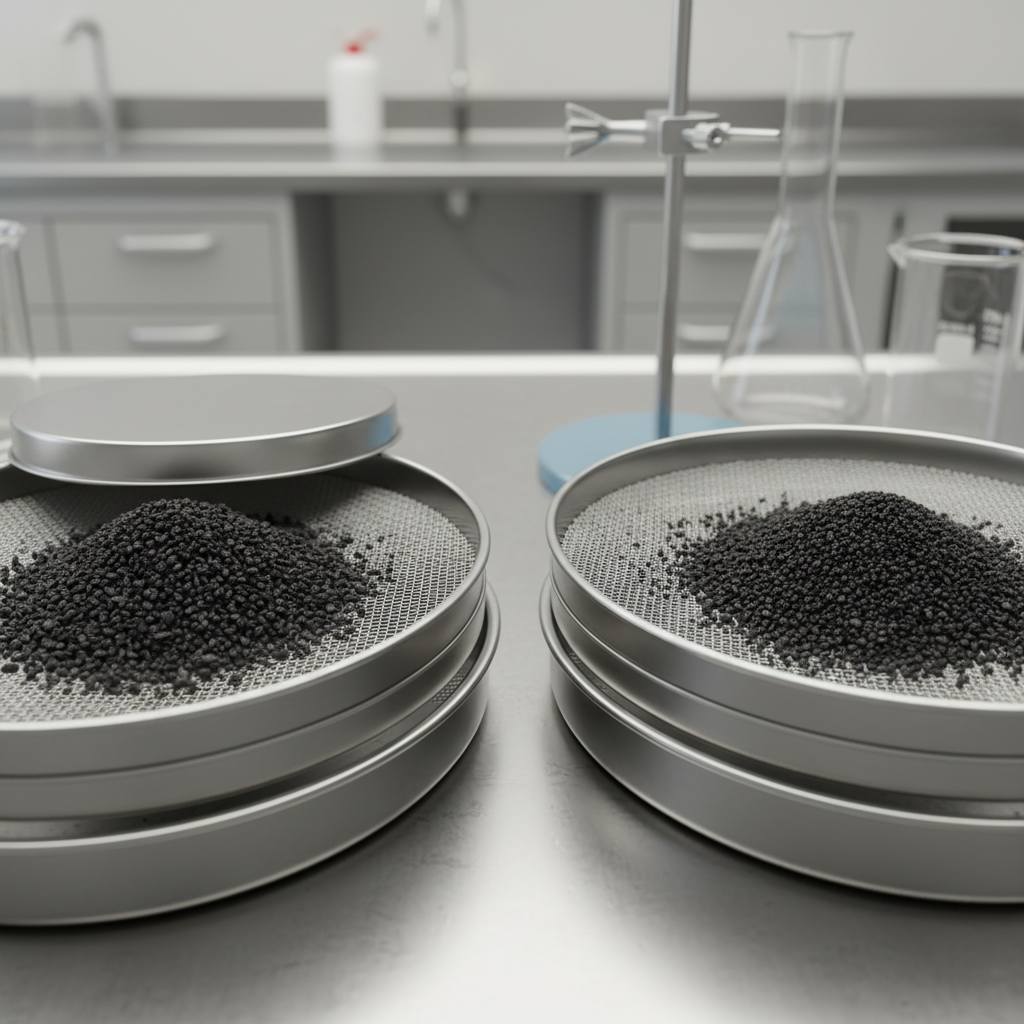
Mesh size (e.g., 8×30, 12×40): drives flow and pressure drop.
Apparent/bulk density: helps estimate fill volume and freight.
Quick take: Ask for a recent COA and a sample. Validate performance in your process before buying in bulk.
Coconut-shell GAC: typically high hardness and micro-pore structure used in many organics and taste/odor jobs.
Coal-based GAC: broad availability and pore distribution; common in industrial uses.
Fit beats folklore: choose by application, mesh, and verified tests, not only by feedstock.
Water (municipal/industrial)
Match mesh to your flow and pressure-drop limits.
Use hardness and density to plan bed life and backwashing.
For temporary events, PAC dosing can be effective when managed safely.
Air & Gas / VOC control
Pressure drop matters. Select mesh for your vessel design.
Use specialty treatments only if your process requires them.
Mining (gold recovery)
Hardness and activity help reduce attrition and protect throughput.
Align mesh with column design and elution steps.
Quick take: Share operating limits (flow, pressure drop, temperature) and target contaminants when you request samples.
Packaging options
Bags (e.g., ~25–50 lb) on pallets
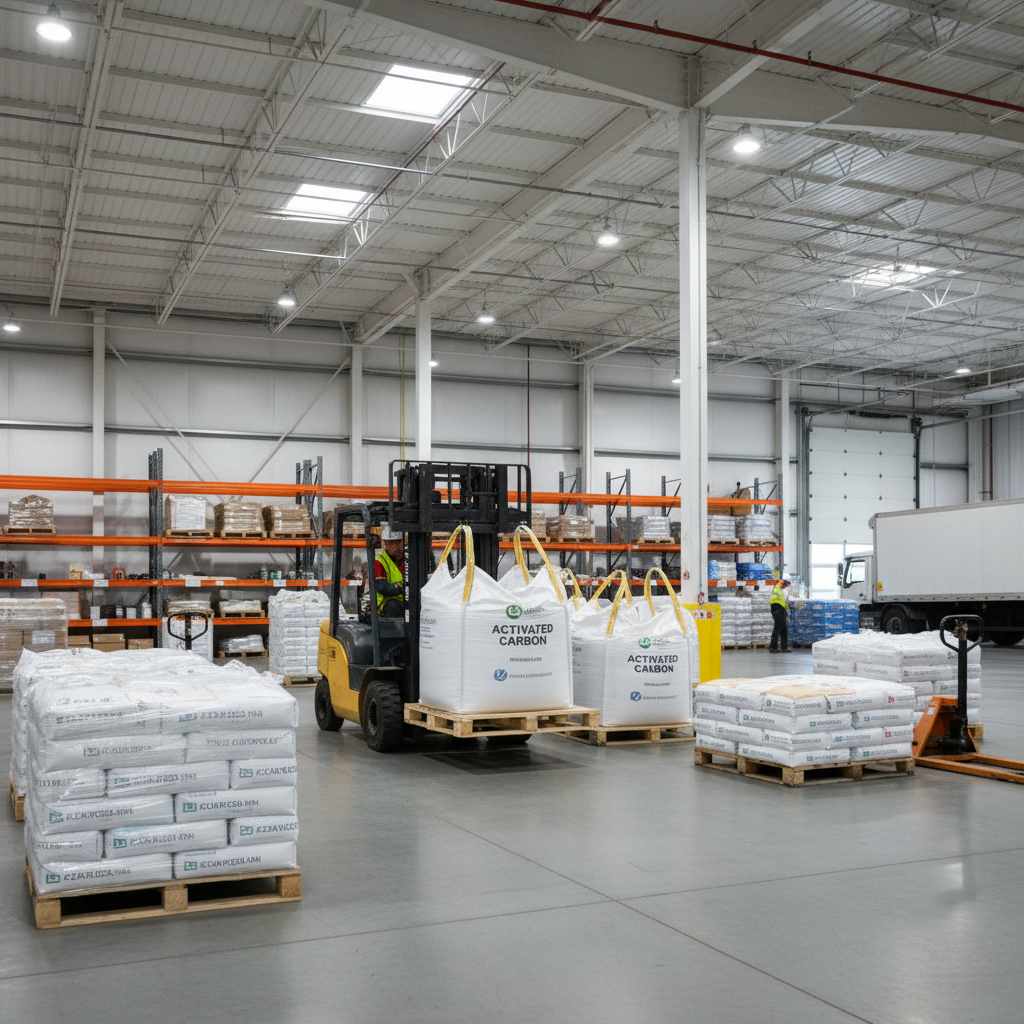
Super sacks / big bags (e.g., ~1,000–2,200 lb)
Bulk truckloads (pneumatic or dump, where suitable)
Receiving checklist
Confirm unloading method (forklift, hoist, or blower).
Plan dust control (containment; PPE per SDS).
Store in a dry, covered area off the floor.
Stage by lot number for traceability.
Keep COAs and shipment docs with each lot.
Before a large order
Request a sample matching the proposed grade and mesh.
Ask for a current COA and typical sieve analysis.
Run a bench or on-site trial that mirrors your flow, dose, and contact time.
Set acceptance criteria in the RFQ (ranges for iodine, ash, hardness, mesh).
Quick take: Sampling cuts risk and makes quotes easier to compare.
Virgin carbon: fastest path when you need stock now or have strict quality needs.
Reactivation: can reduce total cost and waste where allowed. Works best with predictable change-outs and proper chain-of-custody.
Decision cues: waste rules, transport distance, turnaround time, and documented post-reactivation performance.
Include these fields so quotes are apples-to-apples:
Application & media form: water/air/gold; GAC or PAC
Target mesh: e.g., 8×30 or 12×40 (or your pressure-drop limit)
Spec targets/ranges: iodine, ash, hardness, moisture, density
Packaging: bags, super sacks, or bulk; pallets per release
Quantity & release plan: total volume and delivery schedule
Documentation: COA per lot; sieve/iodine/ash results; SDS
Samples: quantity needed; test plan and timing
Logistics: ship-to, receiving hours, unloading method, site rules
Spent carbon: note if you need handling or reactivation options
Payment & terms: requested Incoterms, delivery window, validity period
Quick take: A tight RFQ narrows lead-time surprises and speeds award.
.jpg)
Grade & feedstock selection
Mesh size and any specialty treatments
Order size & release schedule
Packaging (bags vs super sacks vs bulk)
Freight (distance, mode, site access)
Tip: Ask for two quotes—your minimum and a higher volume—to weigh inventory vs price breaks.
Review the SDS before handling.
Use appropriate PPE (eye and respiratory protection when dusty).
Prevent ignition sources around fine dust.
Keep carbon dry and covered.
Train crews on unloading, storage, and spill response.
Is “activated charcoal” the same as activated carbon?
Yes. “Activated charcoal” is a common synonym. In industrial buying, “activated carbon” is the standard term.
What mesh should I pick?
Start from your flow and pressure-drop limits. Then choose the mesh that balances hydraulics and adsorption rate.
Do I need coconut-shell or coal-based carbon?
Either can work. Let the application and test results guide your choice.
Can I switch vendors without changing performance?
Possibly. Validate with a sample, compare COAs, and, if possible, run a side-by-side trial.
Can you guarantee a specific removal rate?
Performance depends on your process and targets. Use bench or pilot tests before a large order.
Soft CTA — Get free samples
Try a matched grade and mesh before a bulk release.
Hard CTA — Request a quote
Send the RFQ fields above. You’ll receive grade options, packaging choices, and delivery guidance.

Ningxia Yongruida Carbon Co,.Ltd was founded in
2003.With an area of over 50000 square meters ,our
factory is located in the city of Shizuishan Ningxia .